⛪ Key Architectural & Historical Facts
- Sole Armenian Church in Archipelago: While other islands have Greek Orthodox and Catholic foundations, Surp Krikor is the only Armenian Apostolic church across all nine Princes' Islands.
- Foundation & Architect: Founded in 1857 and rebuilt in 1888 by Hovsep Aznavur, the famed Ottoman-Armenian architect who also engineered the world-renowned Iron Church (St. Stephen) on Istanbul's Golden Horn.
- Dedicatory Patron: Dedicated to Surp Krikor Lusavoriç (Saint Gregory the Illuminator), who converted Armenia to Christianity in 301 AD, making it the first Christian nation in world history.
- Location & Access: Located on Çarşı Caddesi, approximately 250 meters uphill from the main ferry pier. Open for Sunday liturgies and summer afternoon cultural visits.
The Genesis of an Island Sanctuary (1857–1888)
During the Tanzimat reform era of the mid-19th century, Istanbul's cosmopolitan merchant and professional classes began establishing seasonal residences in the Princes' Islands. While Greek families predominantly settled on Halki (Heybeliada) and Prinkipo (Büyükada), the Armenian community—comprising goldsmiths, architects, doctors, and civil servants—gravitated strongly toward Kınalıada.
In 1857, Patriarch Hagop III consecrated a modest wooden church dedicated to St. Gregory the Illuminator to serve this flourishing seasonal parish. By the late 1880s, the growing community demanded a permanent stone sanctuary capable of withstanding the damp maritime winters of the Marmara basin.
Prominent community patrons commissioned Hovsep Aznavur, a master of historicist architecture educated at the Accademia di Belle Arti in Rome. Aznavur designed a dignified, harmonious basilica blending classical Armenian ecclesiastical proportions with refined neo-Byzantine and Ottoman stone-carving details. The stone structure was formally consecrated in 1888.
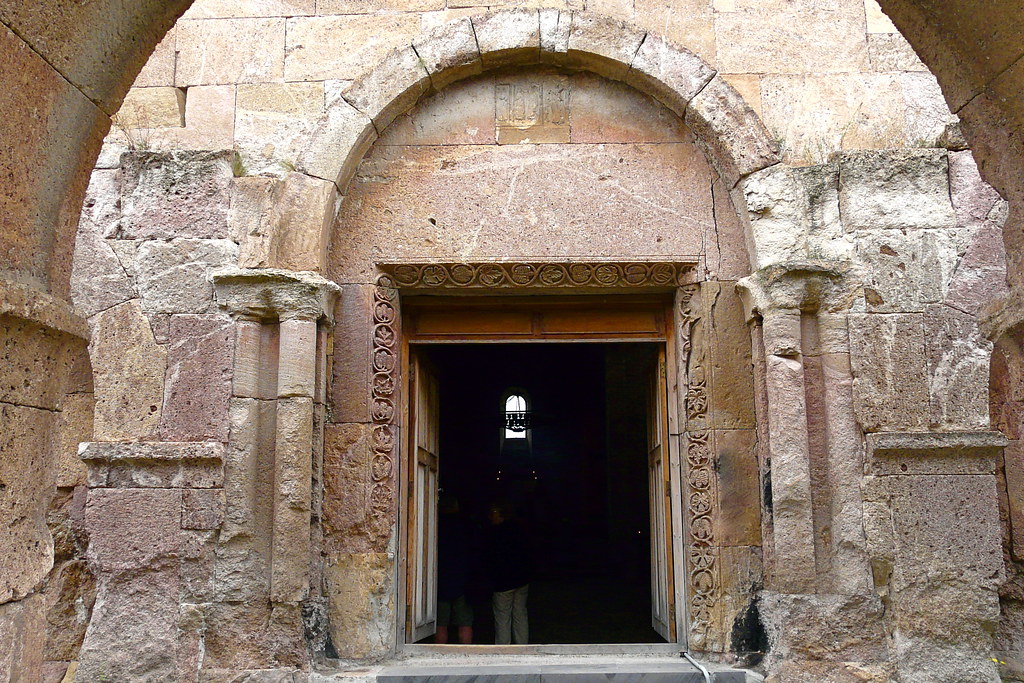
The Master Builder: Hovsep Aznavur's Architectural Vision
Hovsep Aznavur (1854–1935) was one of late Ottoman Istanbul's most accomplished architectural luminaries. Born in London and trained in classical fine arts and civil engineering in Rome, Aznavur brought a sophisticated cosmopolitan perspective to his Ottoman commissions. His most globally celebrated engineering feat remains the Bulgarian St. Stephen Church (the famed prefabricated cast-iron church) erected on the shores of the Golden Horn in Balat.
On Kınalıada, Aznavur embraced a more intimate, spiritual vocabulary. Recognizing the island's seismic vulnerability and the corrosive humidity of the Marmara Sea, he designed Surp Krikor with reinforced ashlar masonry piers, double-dressed limestone corners, and an integrated groin vaulting scheme. The exterior restrained minimalism contrasts with interior liturgical richness, embodying the solemn contemplative spirit of historical Armenian monastic architecture.
Architectural Monograph: Interior Harmony & Sacred Art
The church presents a dignified, ashlar-stone exterior crowned by a central barrel vault and a delicate belfry surmounted by an Armenian octagonal pyramidal cone. Entering the nave reveals an atmosphere of transcendent light and contemplation:
The Carved Marmara Altarpiece
The high altar (*Khoran*) is sculpted from white Marmara island marble, flanked by low reliefs of grapevines, pomegranates, and peacocks—ancient Armenian symbols of eternal life and spiritual resurrection. It is raised on seven stone steps representing the sacred orders of ministry.
Liturgical Iconography & Masterpieces
Oil paintings mounted on the choir loft and lateral walls depict the life of Saint Gregory, King Tiridates III receiving baptism, and the Virgin Mary with Child. These works illustrate the 19th-century renaissance of Ottoman-Armenian ecclesiastical fine art.
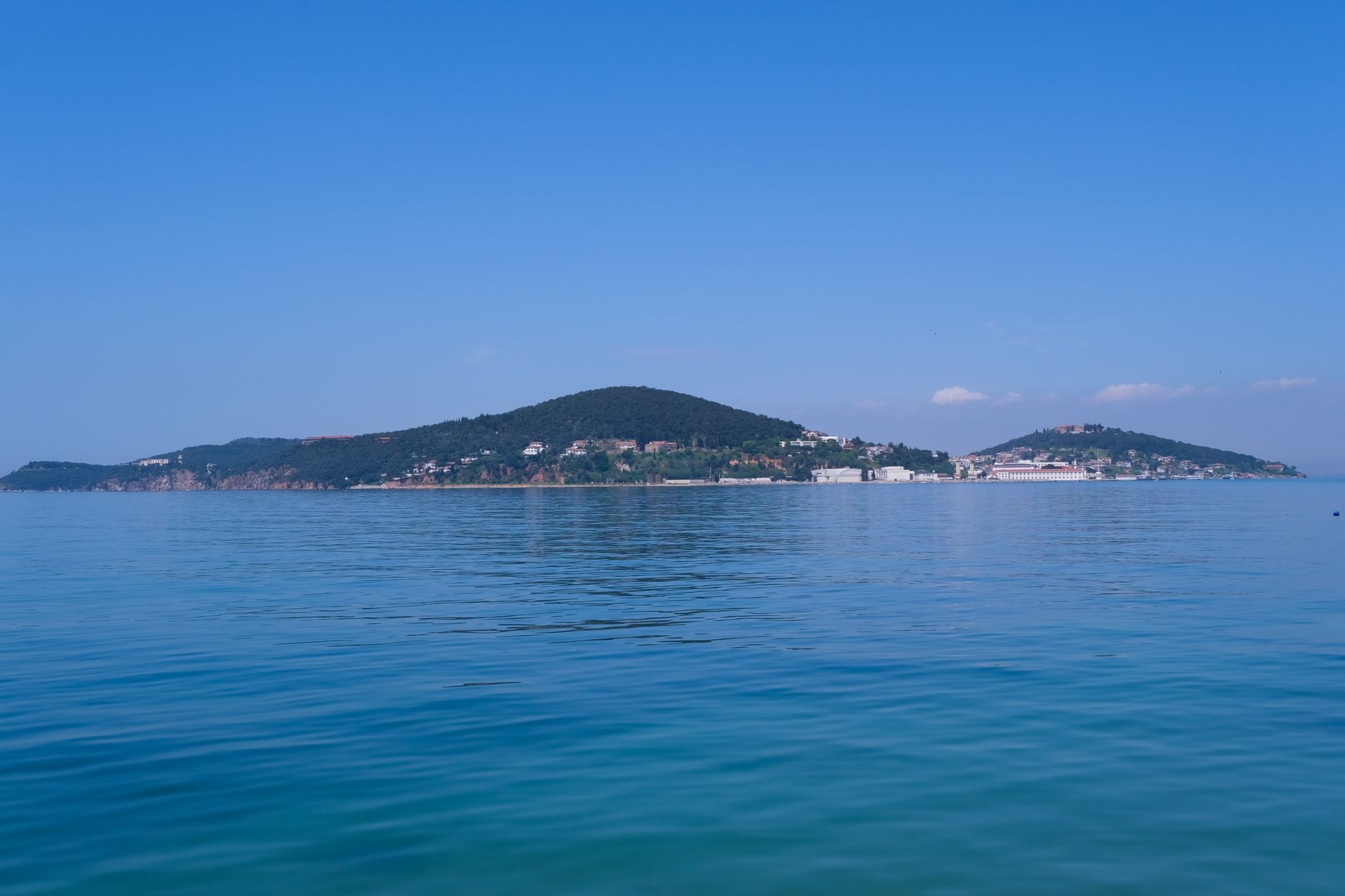
Explore Kınalıada's Cultural Treasures with Audio Guidance
Listen to the stories of Surp Krikor, the Byzantine exiles, and island mansions directly on your phone as you stroll through quiet car-free lanes.
Get Ferry Pass + Historical Audio Tour (€14.50 / ~$15.75 USD) →The Living Rhythm: Summer Liturgies & Festivals
Surp Krikor Lusavoriç is far more than a historical monument; it is the vibrant beating heart of Kınalıada's summer social fabric. When urban schools close in June, hundreds of families migrate from Istanbul neighborhoods like Feriköy, Pangaltı, and Samatya to their ancestral summer homes on Kınalıada.
During July and August, the Sunday morning Holy Badarak (Divine Liturgy) fills the church courtyard with worshippers, multi-generational families, and visitors. The polyphonic choral chants echo with centuries of devotional music, sung in Classical Armenian (Grabar).
Following the service, the courtyard becomes an open-air gathering where elders and youth share island gossip, sip Turkish coffee, and purchase handmade pastries from church charity kiosks. An annual highlight is the Feast of the Assumption (Asdvadzadzin) in mid-August, marked by the ancient Armenian ritual of the blessing of grapes (*Haghorhnutyun*).
Visiting Guidelines & Courtesies for Travelers
- Hours of Admission: Services are held Sundays from 10:00 to 12:30. The church is generally open for quiet prayer and respectful visitation on summer afternoons (14:00–18:00).
- Dress Code: As an active consecrated house of worship, modest dress is strictly observed. Shoulders and knees must be covered for both men and women. Beachwear is strictly forbidden.
- Photography: Photography is permitted inside during non-service visiting hours with flash disabled. Photography during liturgical services is strictly prohibited.
- Candle Offerings: Visitors of all backgrounds and faiths are warmly welcome to light a beeswax devotional candle in the narthex. Voluntary donations toward church preservation are deeply appreciated.